Tilt Rotor Tricopter VTOL
I built a tilt-rotor VTOL tricopter — it hovers like a multirotor and cruises like a fixed-wing aircraft
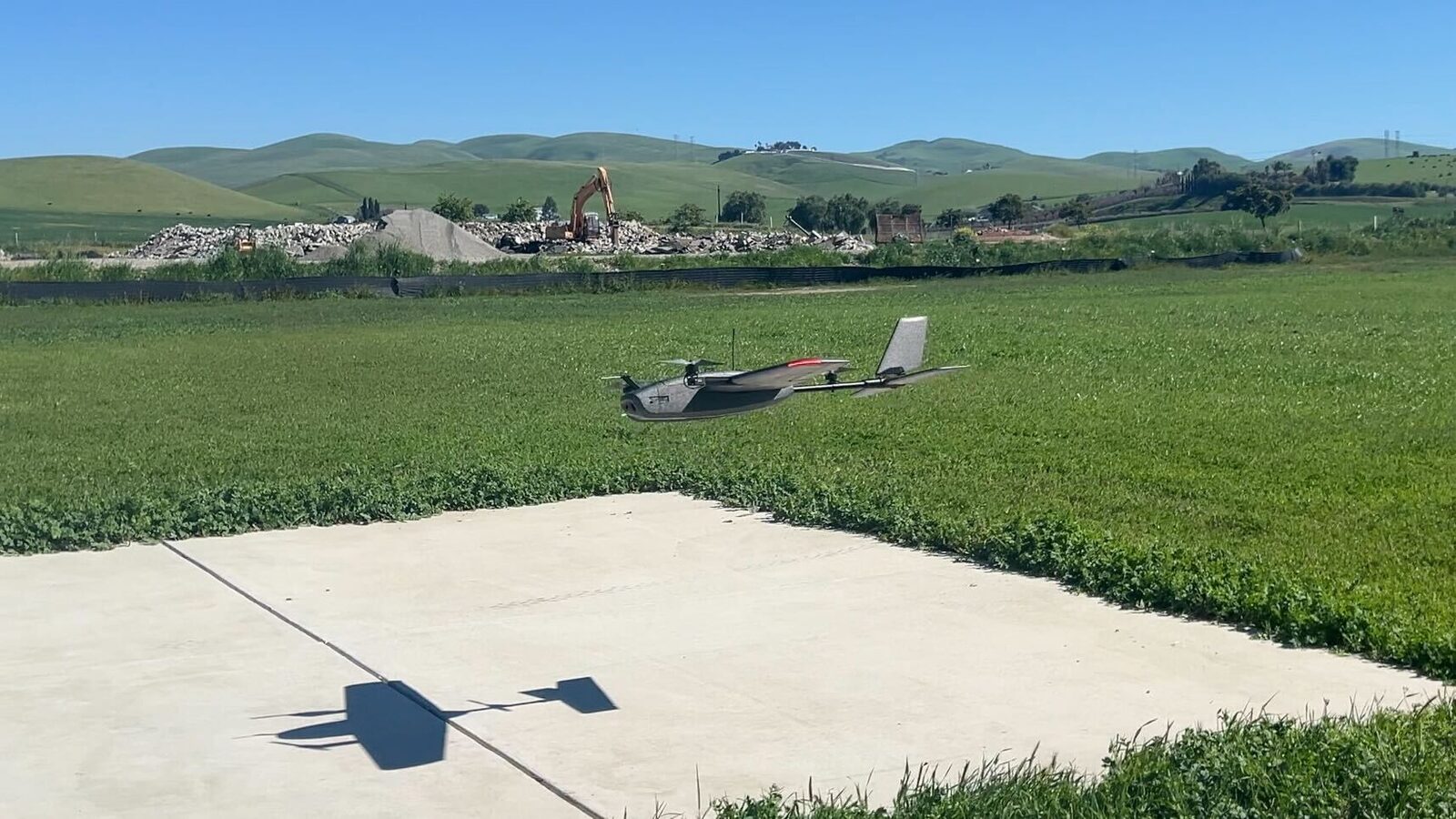
What is a tilt-rotor VTOL?
A Tilt-Rotor VTOL (Vertical Take-Off and Landing) is a hybrid aircraft designed to bridge the gap between fixed-wing cruise efficiency and speed, and multirotor take-off and landing flexibility. While traditional fixed-wing aircraft offer excellent range but require runways, and multirotors offer precise hovering but suffer from short flight times, the tilt-rotor tricopter combines the strengths of both systems into a single, efficient platform.
The hard part is the transition — handing off lift from the rotors to the wing while keeping the aircraft stable.
Design & Build
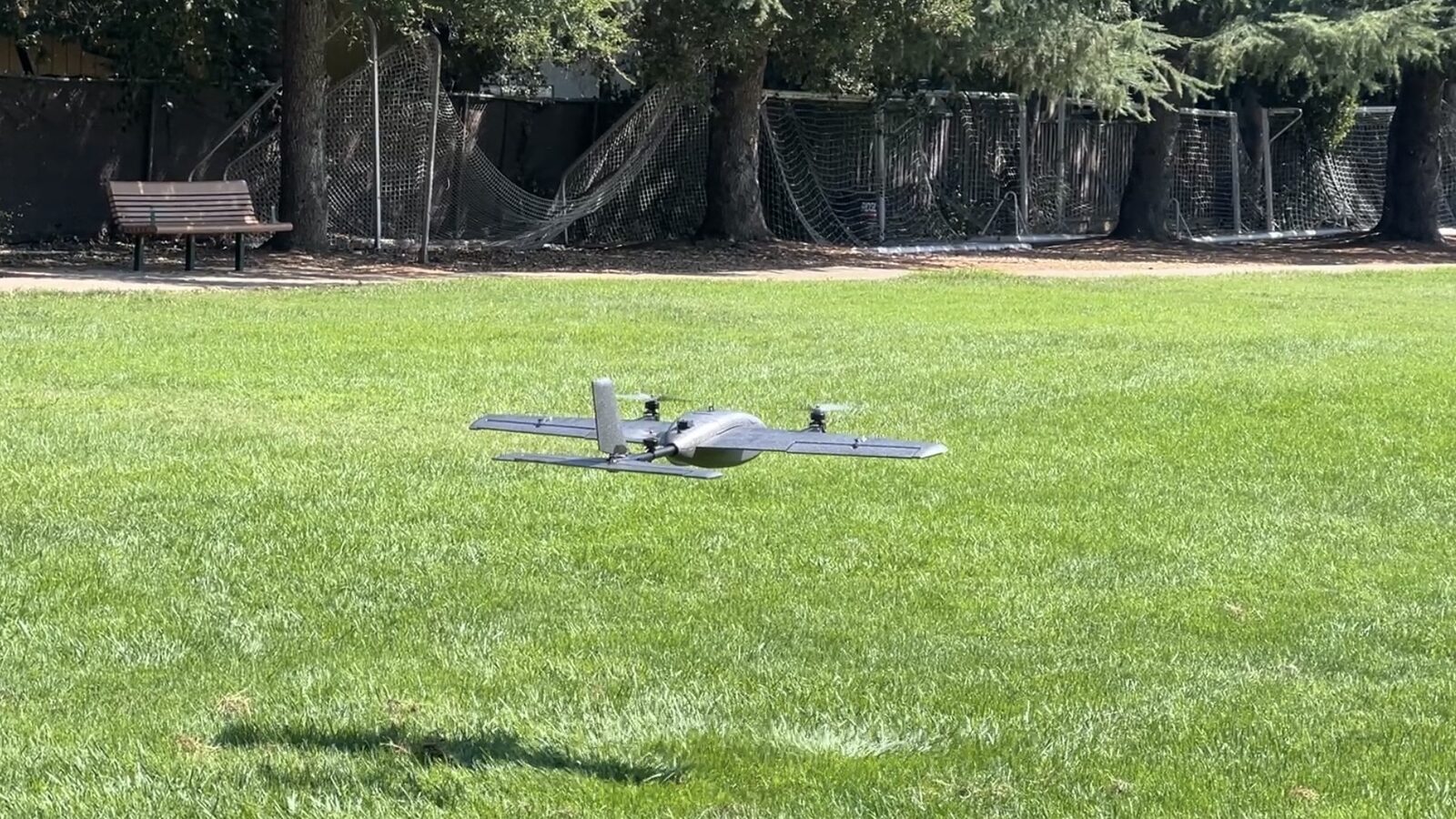
- Airframe: Heewing T2 VTOL kit, with custom mounts for pitot tube, GPS, and optical flow + range finder
- Wingspan: 1200 mm
- Flight weight: 2.5–3 kg
- Flight controller: 30×30 H743 running custom PX4 firmware
- Battery: LiPo 6S, 5000–10000 mAh
- C2 link: ExpressLRS (ELRS) with MAVLink telemetry
Testing
Hover flight control
Hover control was developed and validated in Gazebo simulation, based on an improved version of PX4’s VTOL controller. Forward/backward translation is produced by collective rotor tilt; yaw rotation comes from differential tilt. The fuselage stays level (0° pitch attitude) throughout, which reduces the effect of horizontal wind — especially tailwind — on hover stability.
On a tricopter, the tail motor’s reaction torque has to be balanced somewhere. Two options: trim it with differential tilt of the front two motors, or angle the tail motor itself a few degrees off vertical. I went with the latter, and dialed in the mounting angle by watching the yaw integrator in the flight logs — when the integrator stays near zero during stationary hover, yaw is properly trimmed.
Position hold
GPS + optical-flow position hold during hover — the aircraft holds its spot against drift and wind.
Full flight
Hover → forward transition → fixed-wing cruise with Total Energy Control System (TECS) → backward transition → landing.